
Table of Contents
- What is Body Positivity?
- Why Body Positivity Matters
- Common Myths About Body Positivity
- Signs You Need Body Positivity in Your Life
- The Body Positivity Journey: What to Expect
- 10 Practical Steps to Start Your Body Positivity Journey
- Overcoming Negative Self-Talk
- Body Positivity vs Body Neutrality
- Creating a Body-Positive Environment
- When Body Positivity Feels Impossible
- Building Your Support System
- Conclusion
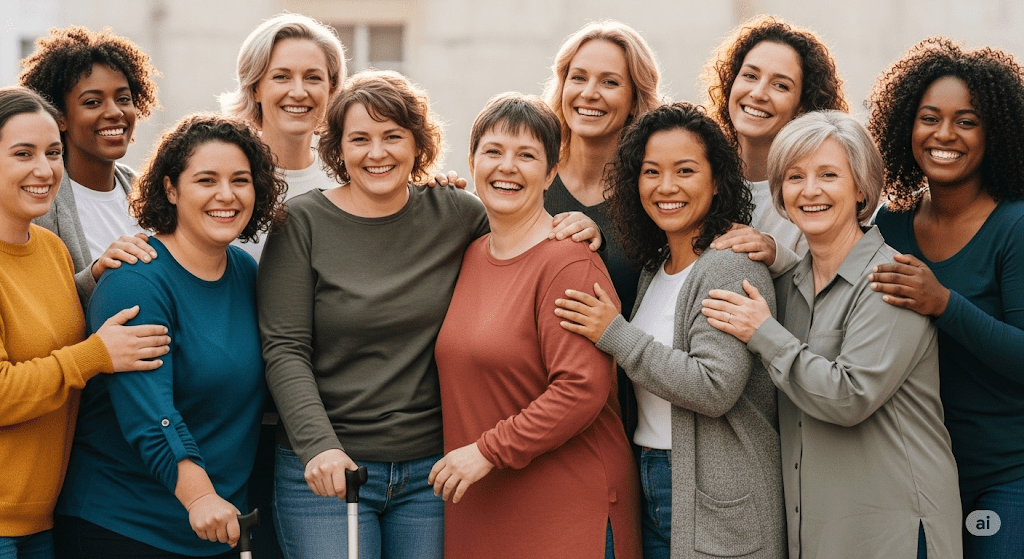
Starting your body positivity journey can feel overwhelming, especially when you’ve spent years criticizing your appearance. If you’re tired of negative self-talk and ready to develop a healthier relationship with your body, this comprehensive guide will walk you through everything you need to know about body positivity for beginners.
What is Body Positivity?
Body positivity is a movement and mindset that encourages acceptance of all bodies, regardless of size, shape, skin tone, gender, or physical abilities. At its core, body positivity challenges unrealistic beauty standards and promotes the idea that all bodies are worthy of love and respect.
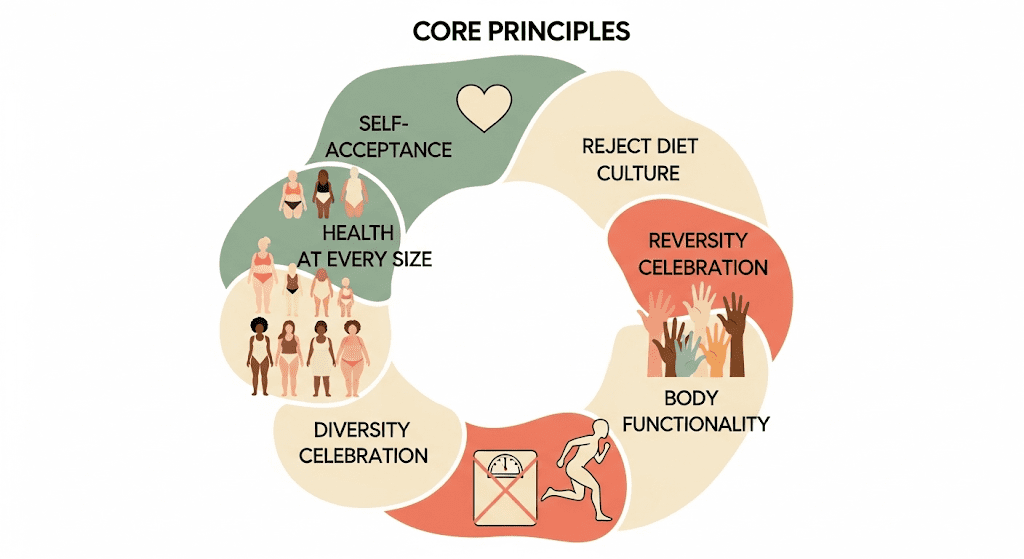
The body positivity movement focuses on:
- Challenging beauty standards perpetuated by media and society
- Promoting self-acceptance and self-love
- Recognizing that health comes in many different sizes
- Celebrating body diversity and uniqueness
- Rejecting diet culture and weight stigma
Body positivity doesn’t mean you have to love every aspect of your body every single day. Instead, it’s about developing a neutral or positive relationship with your body while recognizing its worth beyond appearance.
Why Body Positivity Matters
Research consistently shows that body dissatisfaction is linked to numerous mental and physical health issues. According to the National Eating Disorders Association, approximately 91% of women are unhappy with their bodies and resort to dieting to achieve their ideal body shape. Studies published in the Journal of Health Psychology further demonstrate the connection between negative body image and decreased quality of life.
Benefits of practicing body positivity include:
Mental Health Improvements
- Reduced anxiety and depression related to body image
- Decreased risk of developing eating disorders
- Improved self-esteem and confidence
- Better overall life satisfaction
Physical Health Benefits
- Reduced stress-related health issues
- Better sleep quality
- Improved relationship with food and exercise
- More consistent self-care practices
Relationship Benefits
- More authentic connections with others
- Improved intimacy and body confidence
- Better role modeling for children and peers
- Reduced comparison and judgment of others
Common Myths About Body Positivity
Before diving into practical steps, let’s address some common misconceptions about body positivity:
Myth 1: “Body positivity promotes unhealthy lifestyles”
Reality: Body positivity promotes health at every size and encourages people to engage in healthy behaviors without shame or punishment. Research from the Association for Size Diversity and Health (ASDAH) shows that health is multifaceted and cannot be determined solely by appearance. The International Journal of Eating Disorders has published numerous studies supporting this approach.
Myth 2: “You have to love your body 100% of the time”
Reality: Body positivity acknowledges that some days will be harder than others. The goal is progress, not perfection. Some days, body neutrality is enough.
Myth 3: “Body positivity is just for overweight people”
Reality: Body positivity is for everyone, regardless of size. People of all body types can struggle with body image issues and benefit from a body-positive approach.
Myth 4: “It’s just about appearance”
Reality: True body positivity extends beyond looks to include appreciating your body’s functionality, strength, and resilience.
Signs You Need Body Positivity in Your Life
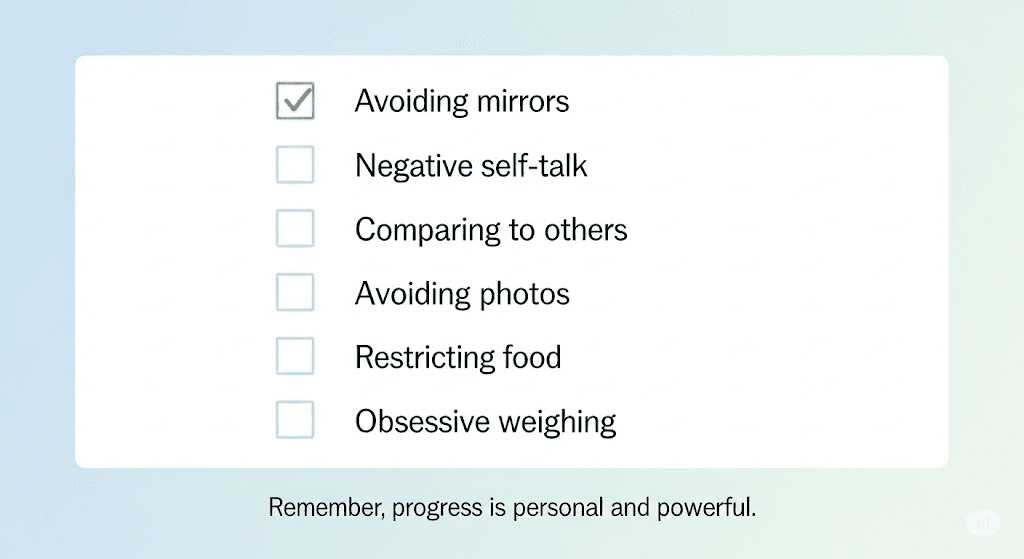
Recognizing the need for body positivity is the first step in your journey. Consider whether you experience any of these common signs:
Daily Struggles:
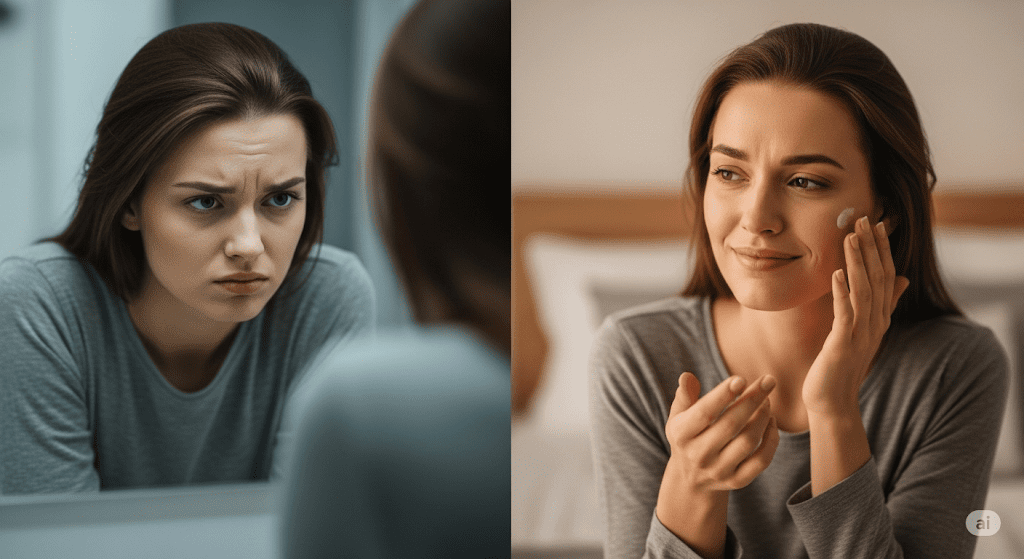
- Spending excessive time scrutinizing your appearance in mirrors
- Avoiding social situations due to body insecurity
- Constantly comparing yourself to others
- Engaging in negative self-talk about your body
- Restricting food or over-exercising as punishment
Emotional Indicators:
- Feeling anxious or depressed about your appearance
- Experiencing shame about your body
- Avoiding physical intimacy due to body insecurity
- Feeling like your worth is tied to your appearance
Behavioral Patterns:
- Avoiding photos or covering yourself in pictures
- Shopping for clothes becomes stressful or upsetting
- Weighing yourself obsessively
- Following extreme diets or exercise routines
If you recognize these patterns, body positivity practices can help you develop a healthier relationship with your body.
The Body Positivity Journey: What to Expect
Understanding what to expect on your body positivity journey can help you stay committed when things get challenging.
Phase 1: Awareness (Weeks 1-4)
During this initial phase, you’ll become more aware of your negative thought patterns and begin challenging them. This can feel uncomfortable as you start noticing how often you criticize yourself.
What you might experience:
- Increased awareness of negative self-talk
- Recognition of societal beauty standards’ influence
- Some resistance to change
- Moments of hope mixed with skepticism
Phase 2: Active Practice (Months 2-6)
This phase involves actively implementing body positivity practices and gradually changing your thought patterns.
What you might experience:
- Good days and challenging days
- Gradual reduction in negative self-talk
- Increased self-compassion
- Small victories in self-acceptance
Phase 3: Integration (6+ months)
Body positivity becomes more natural and integrated into your daily life, though maintenance remains important.
What you might experience:
- More consistent positive self-talk
- Improved body image overall
- Better relationships with food and exercise
- Increased confidence in various life areas
10 Practical Steps to Start Your Body Positivity Journey
1. Start a Gratitude Practice for Your Body
Begin each day by acknowledging three things your body does for you beyond appearance. This shifts focus from how your body looks to what it accomplishes.
Examples:
- “Thank you, legs, for carrying me through my day”
- “Thank you, arms, for allowing me to hug my loved ones”
- “Thank you, heart, for beating steadily and keeping me alive”
Practice tip: Write these in a journal (check out our recommended body positivity journals) or say them out loud during your morning routine. Consider using a gratitude app to make this practice more consistent.
2. Challenge Negative Self-Talk
When you catch yourself thinking negatively about your body, pause and reframe the thought.
Instead of: “My thighs are so fat and disgusting” Try: “My thighs are strong and help me walk, run, and move through life”
The STOP technique:
- Stop the negative thought
- Take a deep breath
- Observe what you’re feeling
- Proceed with a kinder thought
3. Curate Your Social Media Feed
Unfollow accounts that promote unrealistic beauty standards or make you feel bad about yourself. Follow body-positive influencers, activists, and accounts that celebrate diversity.
Body-positive accounts to consider following:
- Accounts featuring diverse body types like @bodyposipanda and @thebirdspapaya
- Mental health and self-care content from Psychology Today
- Anti-diet culture educators like Intuitive Eating advocates
- Fitness accounts focused on strength, not appearance, such as those promoting Health at Every Size principles
4. Practice Mirror Work
Spend time looking at yourself in the mirror without judgment. Start with neutral observations, then gradually work toward appreciation.
Beginner mirror work:
- Look at yourself and simply state facts: “I have brown eyes,” “My hair is curly”
- Progress to appreciative statements: “My eyes are kind,” “I love how my hair moves”
5. Wear Clothes That Make You Feel Good
Choose clothing based on comfort and confidence rather than hiding or changing your body shape.
Tips for body-positive dressing:
- Prioritize fit and comfort over trends
- Choose colors and styles that make you feel confident
- Invest in well-fitting undergarments (see our guide to the best body-positive undergarments)
- Donate clothes that make you feel bad about yourself
- Shop from body-inclusive fashion brands that celebrate all sizes

6. Engage in Joyful Movement
Find physical activities you enjoy rather than exercise you feel you “should” do for appearance-related goals.
Examples of joyful movement:
- Dancing to your favorite music
- Walking in nature (learn more about nature therapy benefits)
- Playing with pets or children
- Swimming for the feeling of water
- Yoga for flexibility and peace (discover body-positive yoga practices)
- Find body-positive fitness equipment that supports joyful movement
7. Practice Self-Compassion
Treat yourself with the same kindness you’d show a good friend. When you make mistakes or have difficult days, respond with understanding rather than criticism.
Self-compassion techniques:
- Use gentle language with yourself
- Acknowledge that struggle is part of the human experience
- Offer yourself comfort during difficult moments
- Practice with self-compassion guided meditations
- Read books about self-compassion (see our top recommendations)
8. Focus on Non-Appearance Qualities
Regularly remind yourself of your valuable qualities that have nothing to do with appearance.
Examples:
- Your sense of humor
- Your loyalty to friends
- Your creativity or talents
- Your intelligence and problem-solving abilities
- Your capacity for love and empathy
9. Set Boundaries
Learn to set boundaries with people who make negative comments about bodies (including your own) or promote diet culture.
Boundary examples:
- “I don’t discuss diets or weight loss”
- “Please don’t comment on my appearance”
- “I’m working on body positivity and need supportive conversations”
10. Seek Professional Support When Needed
If body image issues significantly impact your daily life, consider working with a therapist who specializes in body image or eating disorders. The American Psychological Association provides resources for finding qualified mental health professionals. You can also search for specialists through Psychology Today’s therapist directory or contact the National Eating Disorders Association for specialized support.
Overcoming Negative Self-Talk
Negative self-talk is often the biggest barrier to body positivity. Here are specific strategies to combat these harmful thought patterns:
Identify Your Inner Critic’s Voice
Pay attention to when and how your inner critic speaks. Common triggers include:
- Looking in mirrors
- Shopping for clothes
- Seeing images on social media
- Comparing yourself to others
- Feeling stressed or emotional
Challenge Cognitive Distortions
Cognitive distortions are negative thought patterns that contribute to poor body image. The Beck Institute has extensively researched these patterns. Understanding and challenging these distortions is a key component of Cognitive Behavioral Therapy (CBT), which has proven effective for body image issues according to research published in Clinical Psychology Review.
Common distortions and corrections:
All-or-Nothing Thinking: “I’m completely ugly” Correction: “I have features I like and others I’m learning to accept”
Mind Reading: “Everyone thinks I look terrible” Correction: “I don’t know what others think, and their opinions don’t define my worth”
Catastrophizing: “If I gain weight, my life will be ruined” Correction: “My weight doesn’t determine my value or life outcomes”
Use Affirmations Strategically
Research from Harvard Health Publishing shows that effective affirmations can rewire neural pathways and improve self-perception. Studies in Social Cognitive and Affective Neuroscience demonstrate that self-affirmation activates brain reward systems. However, affirmations must feel believable and focus on growth rather than absolute statements.
Less effective: “I am beautiful” (if you don’t believe it yet) More effective: “I am learning to appreciate my body” or “I deserve love and respect regardless of my appearance”
Body Positivity vs Body Neutrality
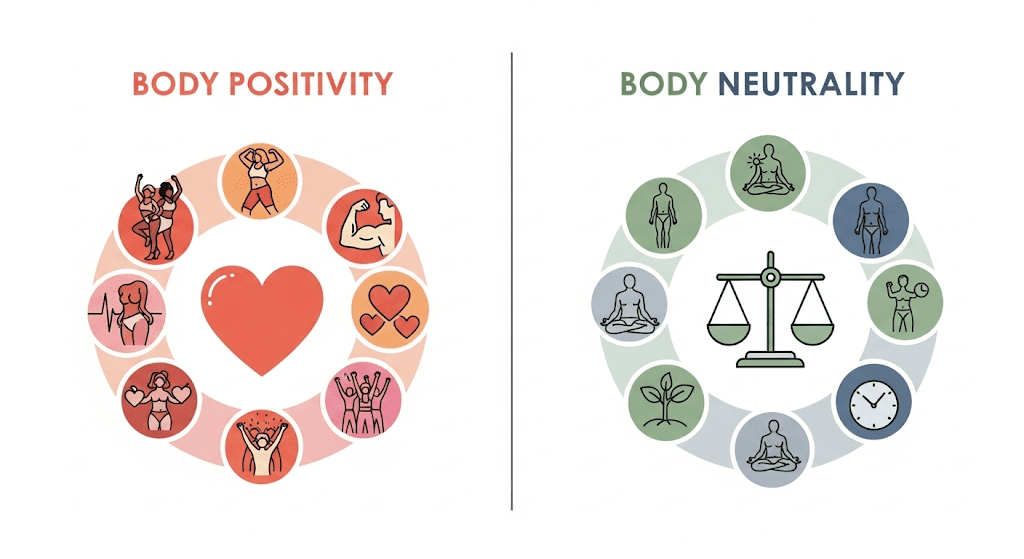
Sometimes body positivity feels too challenging, and that’s where body neutrality comes in. This concept, popularized by intuitive eating counselor Anne Poirier and supported by research from the Center for Mindful Eating, offers an alternative approach. Understanding both approaches helps you find what works best for you.
Body Positivity
- Actively loving and celebrating your body
- Focus on body appreciation and gratitude
- Challenging beauty standards through self-love
Body Neutrality
- Accepting your body without strong positive or negative feelings
- Focus on body functionality rather than appearance
- Reducing the importance of appearance in self-worth
When to use each approach:
- Use body positivity when you’re feeling strong and ready to actively appreciate yourself
- Use body neutrality on difficult days when self-love feels impossible
- Remember that both are valid and valuable approaches
Creating a Body-Positive Environment
Your environment significantly impacts your body image. Here’s how to create spaces that support your journey:
Physical Environment
- Remove or cover scales if they trigger negative thoughts (learn why ditching the scale helps)
- Display photos that make you feel good about yourself
- Keep mirrors in places where you use them functionally, not for scrutiny
- Surround yourself with affirming books (check our body-positive book collection), quotes, or artwork
- Create a self-care space at home with items that promote body acceptance
Digital Environment
- Unfollow accounts that promote diet culture or unrealistic standards
- Use evidence-based apps that promote body positivity and mental health, such as those recommended by Mental Health America
- Set time limits on social media to reduce comparison opportunities, following guidelines from the American Academy of Pediatrics
- Follow accounts that align with your body positivity goals and are endorsed by organizations like The Body Positive
Social Environment
- Communicate your body positivity goals to supportive friends and family
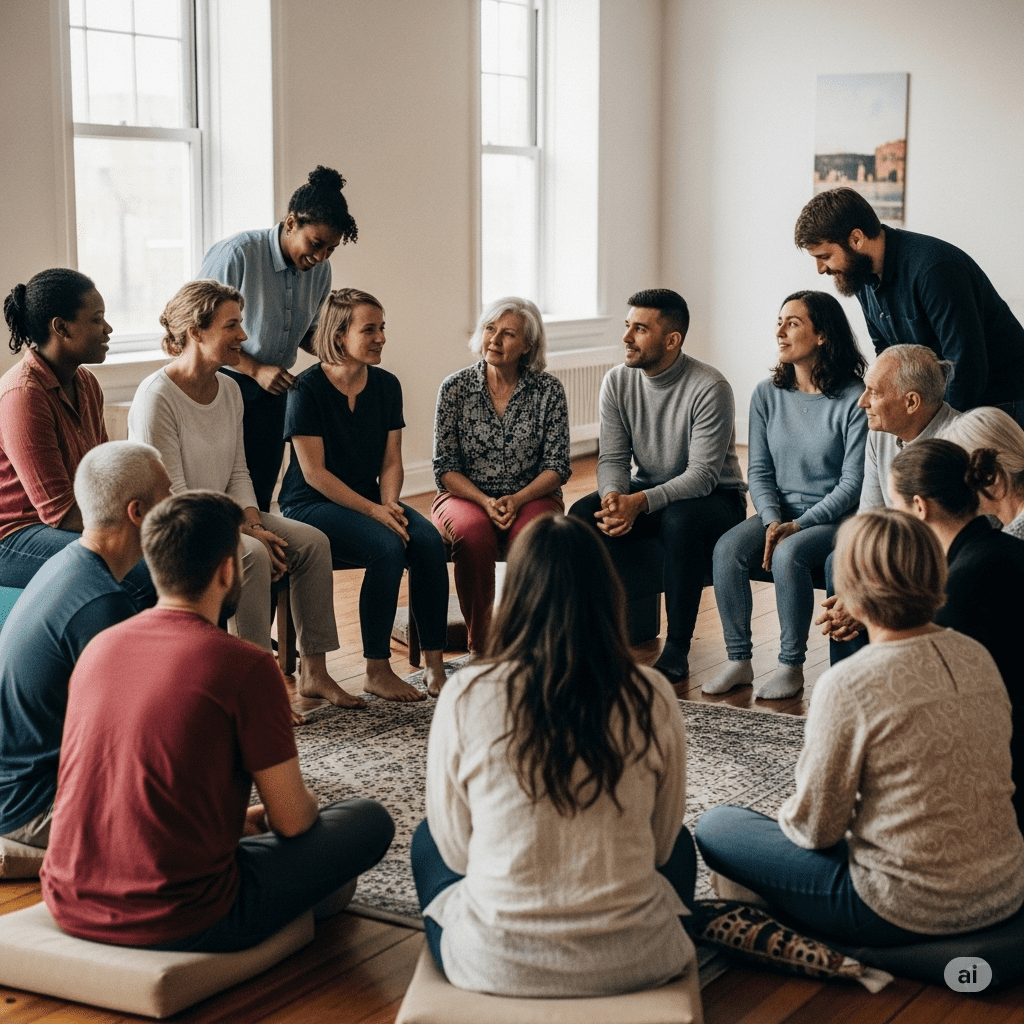
- Consider joining body-positive communities or support groups
- Limit time with people who consistently make negative body comments
- Find friends who share similar values about body acceptance
When Body Positivity Feels Impossible
Some days, body positivity will feel completely out of reach, and that’s normal. Here are strategies for those challenging moments:
Accept the Difficult Day
- Acknowledge that body image fluctuates
- Remind yourself that bad body image days don’t mean you’re failing
- Practice extra self-compassion during these times
Use Coping Strategies
- Engage in activities that don’t involve appearance focus
- Reach out to supportive friends or family
- Practice grounding techniques like deep breathing or meditation
- Remember that feelings are temporary
Return to Basics
- Go back to fundamental practices like gratitude for body function
- Use neutral language instead of positive language if needed
- Focus on getting through the day rather than loving your body
Professional Support
If difficult days become frequent or overwhelming, consider professional help. Therapists specializing in body image can provide additional tools and support. The International Association of Eating Disorders Professionals (IAEDP) offers a directory of specialized practitioners. Research published in the Journal of Consulting and Clinical Psychology shows that professional intervention significantly improves body image outcomes.
Building Your Support System
A strong support system is crucial for maintaining body positivity long-term.
Types of Support You Need
Emotional Support: People who listen without judgment and offer comfort during difficult times.
Informational Support: Resources, books, articles, and educational content about body positivity.
Practical Support: Friends who join you in body-positive activities or help you maintain healthy boundaries.
Professional Support: Therapists, counselors, or coaches who specialize in body image work.
Finding Your People
Online Communities:
- Body-positive social media groups like those found on Facebook Body Positive Communities
- Forums dedicated to body acceptance such as Reddit’s Body Acceptance community
- Virtual support groups through platforms like 7 Cups or Support Groups Central
- Professional workshops from organizations like The Body Positive
In-Person Connections:
- Local body-positive fitness classes
- Support groups in your community
- Friends and family members who share similar values
Maintaining Your Body Positivity Journey
Body positivity is an ongoing practice, not a destination. Here are strategies for long-term success:
Regular Check-Ins
- Weekly reflection on your progress and challenges
- Monthly assessment of your goals and practices
- Quarterly review of your support systems and resources
Continuous Learning
- Read evidence-based books about body positivity and self-acceptance from publishers like Routledge Mental Health and Guilford Press
- Follow new body-positive educators and activists featured in publications like Psychology Today and Healthline
- Attend workshops or courses on related topics through platforms like Coursera or professional organizations like NEDA
Flexibility and Adaptation
- Adjust your practices as you grow and change
- Be willing to try new approaches when old ones stop working
- Remember that setbacks are part of the journey
Giving Back
- Share your experiences with others who might benefit
- Support body-positive businesses and creators
- Advocate for body acceptance in your communities
Conclusion
Starting your body positivity journey takes courage, especially in a world that constantly promotes unrealistic beauty standards. Remember that body positivity for beginners is about progress, not perfection. Some days will be easier than others, and that’s completely normal.
The key is to be patient with yourself as you unlearn years of negative conditioning and replace it with self-compassion and acceptance. Your worth has never been and will never be determined by your appearance. You deserve love, respect, and kindness – especially from yourself.
Take it one day at a time, celebrate small victories, and remember that every step toward self-acceptance is meaningful. Your body has carried you through every moment of your life so far, and it deserves appreciation for that incredible feat alone.
Start with just one practice from this guide today. Whether it’s expressing gratitude to your body, challenging a negative thought, or unfollowing an account that makes you feel bad about yourself, that single step begins your transformation toward a healthier, happier relationship with your body.

Ready to Continue Your Journey?
Body positivity is just the beginning of developing a healthy relationship with yourself. Explore these related topics to deepen your understanding:
- How to Practice Body Neutrality When Body Positivity Feels Too Hard
- Signs of Body Dysmorphia vs Normal Body Image Concerns
- Body Image and Social Media: Setting Healthy Boundaries
- How to Support a Friend Struggling with Body Image Issues
- Best Body Positive Books to Transform Your Self-Image (affiliate link)
- Understanding Your Menstrual Cycle: Phases and What’s Normal
Remember: You are worthy of love and acceptance exactly as you are right now. Your journey toward self-acceptance is a gift you give not only to yourself but to everyone whose life you touch.
Resources and References:
- National Eating Disorders Association (NEDA)
- The Body Positive Organization
- Association for Size Diversity and Health (ASDAH)
- International Association of Eating Disorders Professionals
- American Psychological Association – Body Image Resources
- Psychology Today – Body Image Therapists Directory
- Harvard Health Publishing – Mental Health Resources
- Mental Health America
- Center for Mindful Eating
- Intuitive Eating Official Website
Additional Helpful Resources:
- Crisis Text Line – Text HOME to 741741 for mental health support
- SAMHSA National Helpline – 1-800-662-4357
- National Suicide Prevention Lifeline – 988
Disclaimer: This article is for educational purposes only and is not a substitute for professional mental health treatment. If you’re struggling with severe body image issues or eating disorders, please consult with a qualified healthcare provider.


X777login, eh? Nice and clean design. Registration was a breeze, no weird roadblocks. Still exploring, but first impressions are solid. See for yourself – x777login
Lu88vnco, never heard of this site before, has anyone has any experience with it? If so can you give me a recommendation? lu88vnco
Alright folks, gotta say I’m giving 3luckyblue a shot. So far, so good! Seems like a solid option for a quick game. Give it a look here: 3luckyblue
Struggling to get the hitnspinlogin to work. Just been a massive pain trying to log on. Check out hitnspinlogin if you want, but proceed with caution.
Downloaded the jl7betapp the other day. It’s alright, but I don’t like betting using apps. Does anybody have any experience using it? Otherwise looks solid. Check them out! – jl7betapp
888VndVip feels like a real VIP experience. The bonuses and perks are top-notch. Check it out if you’re looking for something extra 888vndvip.
MXLotocasino has a great variety of games. I enjoy exploring different options. Give their games a try mxlotocasino.
Logged into Taya888login yesterday, had a pretty good experience. Easy to start and good fun. You can logon to taya888login for more gameplay.
Trying out yes555game and I’m enjoying it. The interface is intuitive and the games are fun. Could be your next favorite spot! yes555game
Yo, Lucky93login is my go-to spot. Always a solid time and the sign-in process is super smooth. No hassles, just straight to the games! Check it out: lucky93login
Yo, bj66bet is legit! Quick payouts and a decent selection of games. No BS here. Check it out bj66bet
Tried hi68 recently. Not gonna lie, the welcome bonus caught my eye. The game selection is diverse, and I won a bit, so, yeah, I’m happy Check them out at hi68 and see if you get lucky too!
wg777login… it’s okay. Nothing groundbreaking, but the interface is clean, and I haven’t had any crashes. Could use more promotions though. Give wg777login a look if you’re bored.
Alright, giving 25phwinvip.net a shot. Hoping for that VIP treatment! Seems promising so far. Wish me luck! You can try too : 25phwinvip
Okay, time to check out okebet14.net. Looks like a fun place to hang out and gamble. Fingers crossed for some winnings! You can have some fun too : okebet14
Yo, Pagcorplogin? Heard some buzz about it. Seems legit for anyone looking for some online action. Check it out at pagcorplogin, might just be your lucky day!