


A Border That’s More Than a Line
“Borders aren’t natural – they’re drawn, disputed, and too often weaponised.”
It’s deeply unsettling to witness a nation’s claim over land, not for the sake of its residents, but for the resources it holds. Venezuela’s insistence on holding elections in the disputed Essequibo region is a stark reminder of how powerful nations often view geographical topography as a mere instrument in their political games.
Essequibo is not just a piece of land waiting to be claimed. It’s home to communities and lives, which are often overlooked and neglected in the face of nationalist agendas.
How We Got Here: The Forgotten Arbitration

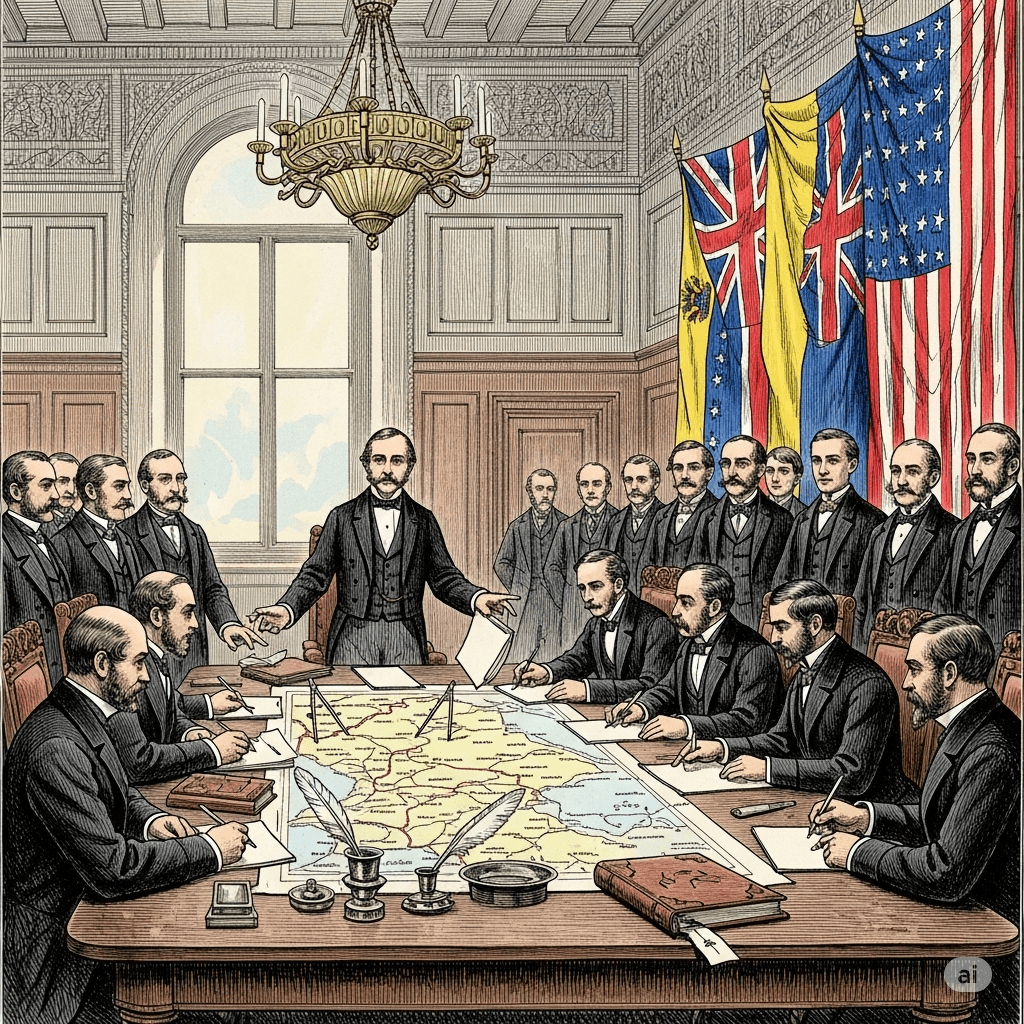
To understand this moment, let’s rewind to 1899. An arbitration tribunal, composed primarily of British and American officials, ruled that the territory belonged to British Guiana. Venezuela has never accepted it. That ruling was imbued with imperial tactics. Venezuela wasn’t even allowed full representation.
The real tragedy, though, is that neither of these countries has been directly involved in this conflict, and neither has done enough to give the people of Essequibo a genuine voice in how it’s resolved.
The Oil Beneath the Soil
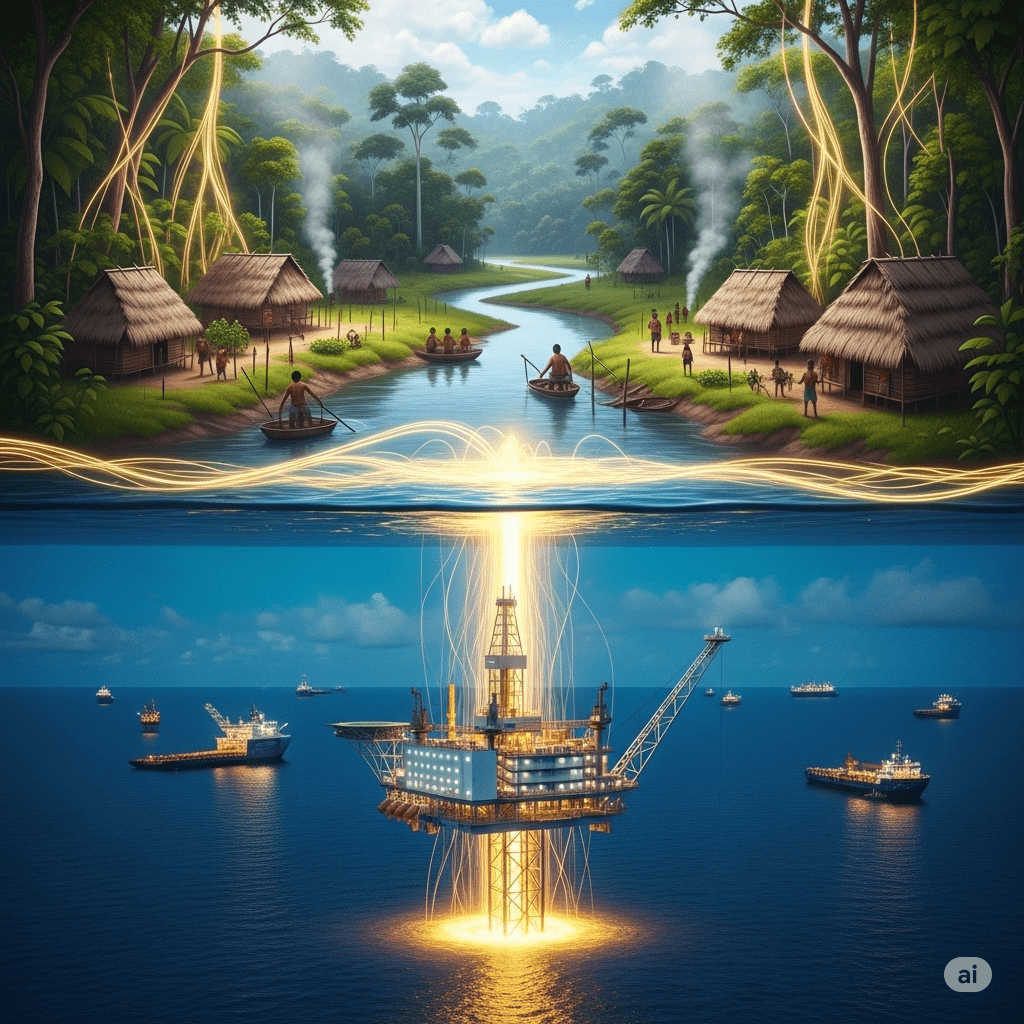
The modern spark reigniting this dispute is oil. In 2015, ExxonMobil struck massive reserves off Guyana’s coast, and everything changed. What was once a long-simmering legal standoff became Guyana’s take on the resource race.
And this is where it gets personal for me. Because when I think about what oil has done in places like the Niger Delta or the Amazon, I worry. Essequibo is next: rich in resources, poor in rights, and surrounded by governments with more ambition than accountability.
What’s at Stake for the People Who Live There?
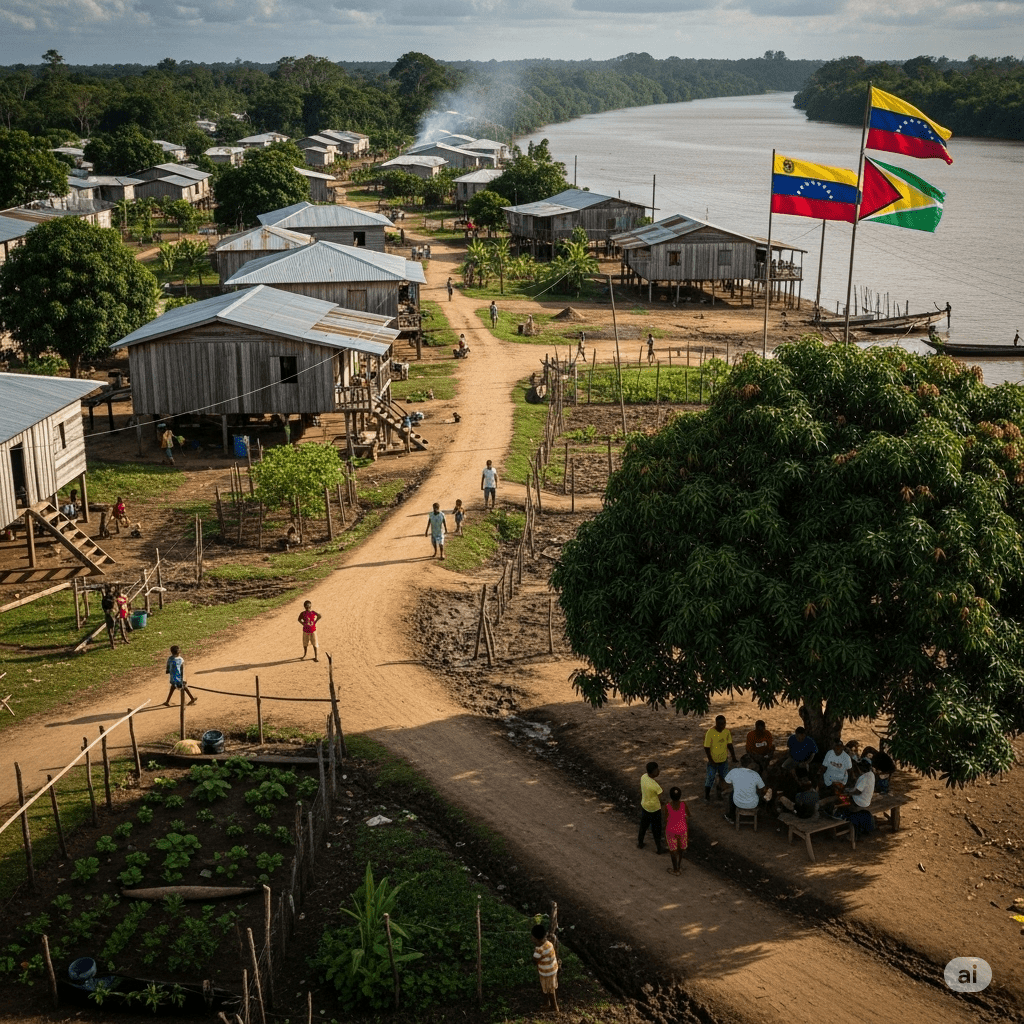
When I read reports from the region, one thing that stands out is that the people of Essequibo often don’t feel fully seen by either government. Many live in rural villages with no paved roads, no reliable healthcare, and little protection when violence flares at the border.
I can’t help but think – how would I feel, living in a place where your national identity changes depending on political winds? Where countries dispute over you, but do not invest in you?
A Shared Sanctuary Instead of a Sliced-Up State
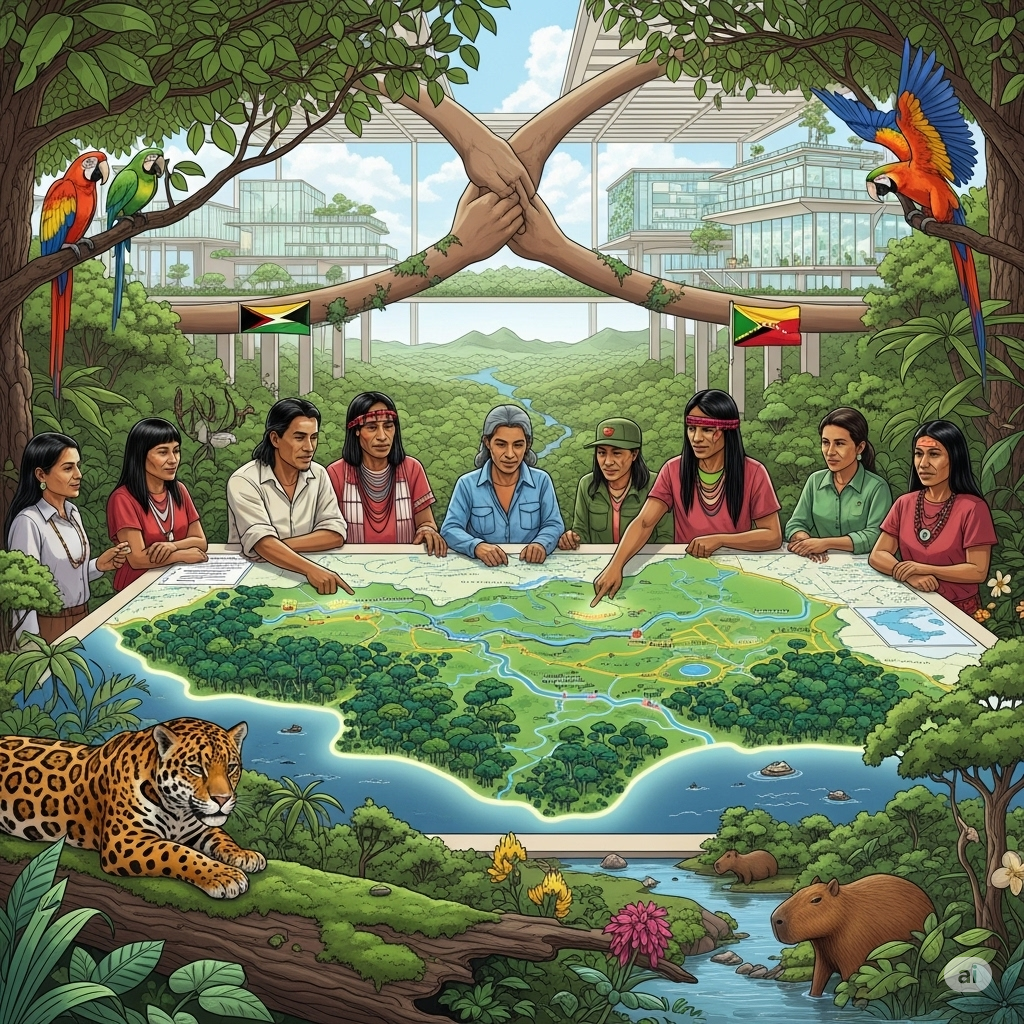
This might sound idealistic: a transnational conservation zone, a protected area that has no national borders. Instead of fighting over who owns Essequibo, why not collaborate to protect it?
The region is part of the Guiana Shield – one of the world’s last remaining pristine rainforests, vital to global biodiversity and climate regulation. Imagine if it were governed not by oil companies and courtrooms, but by:
- Indigenous leaders, whose deep connection to the land and understanding of its ecosystems are invaluable
- Environmental scientists
- Joint stewards from both countries
It may not be geopolitically easy. But it’s ethically urgent.
The Bigger Picture: Who Gets to Belong?
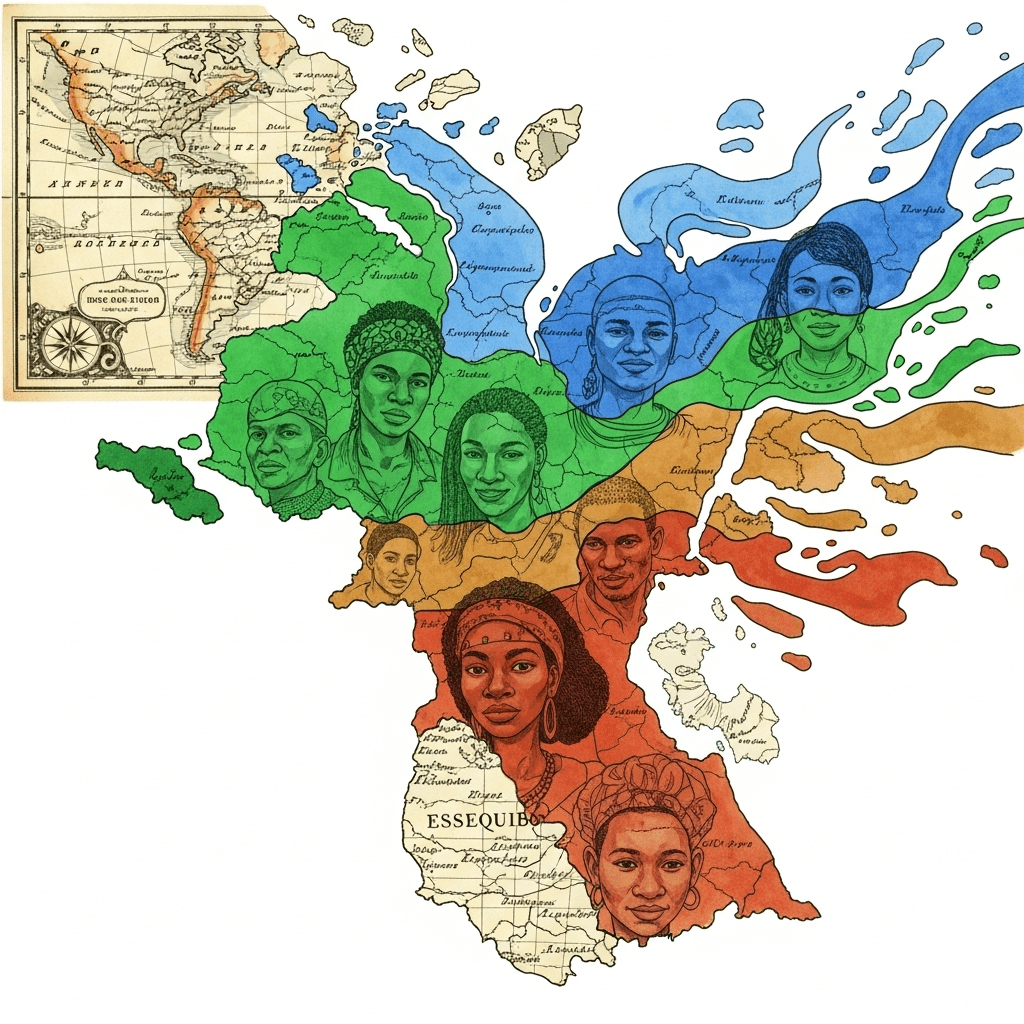
This conflict has led me to reconsider the concept of borders. Why do we accept that lines drawn on maps centuries ago by colonial powers are land owned by a particular nation? Why do we prioritise ownership over partnership?
The Essequibo dispute is about people’s territory. It’s about memory, identity and whether the people most affected don’t get to sit at the negotiating table.
Choose People Over Power
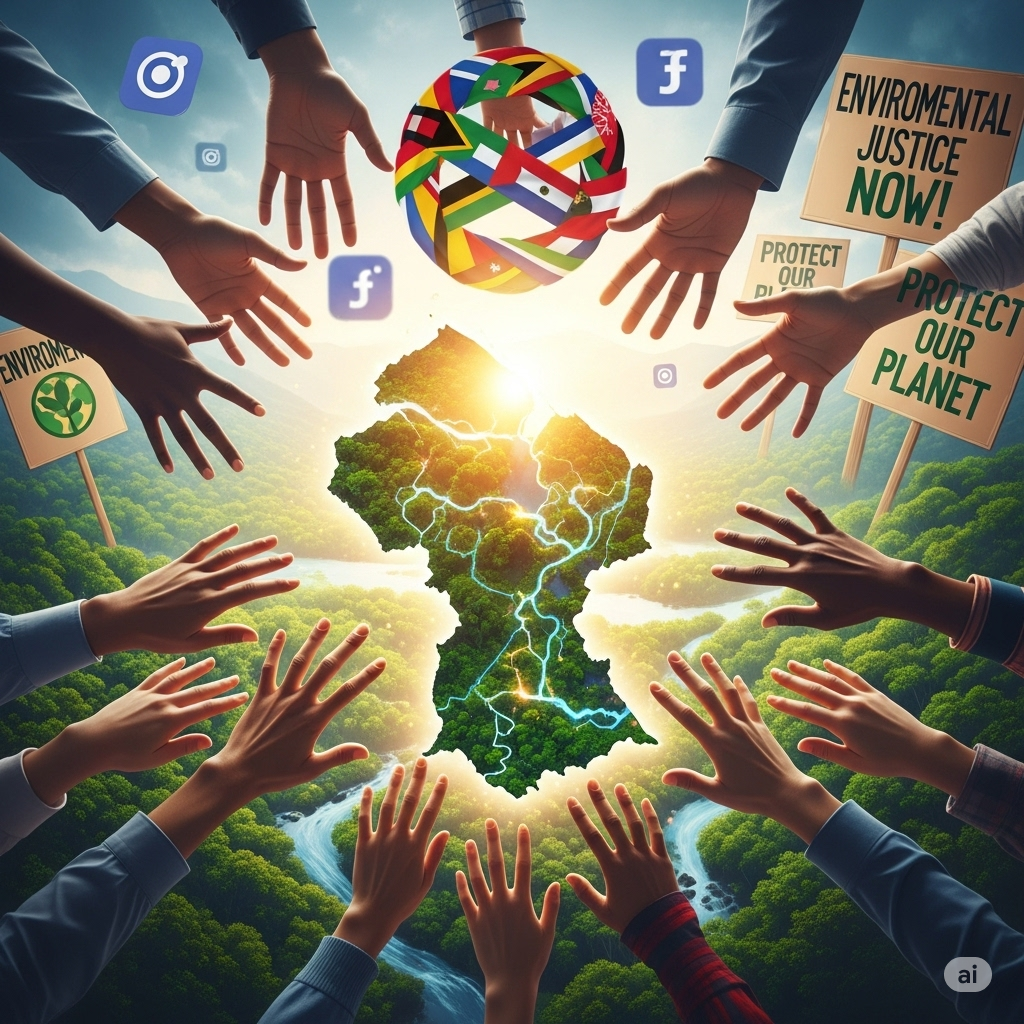
If you care about justice, sustainability, or truth, this matters. Share the story of Essequibo. Question the narratives of resource-driven nationalism. Demand that international bodies include affected communities in negotiations.
Because at the end of the day, the question isn’t who owns the forest. It’s: who’s willing to protect the people who call it home?
Related Reading:
- International Court of Justice case on Guyana v. Venezuela
- Indigenous Rights and Land Disputes
- Resource Conflicts in Latin America
- Environmental Justice Movement
Internal Backlinks:
- Previous article on territorial disputes
- Our coverage of resource conflicts
- Environmental justice series
- Indigenous rights advocacy
What are your thoughts on territorial disputes that prioritize resources over residents? Share this post and join the conversation about putting people before power in international conflicts.