


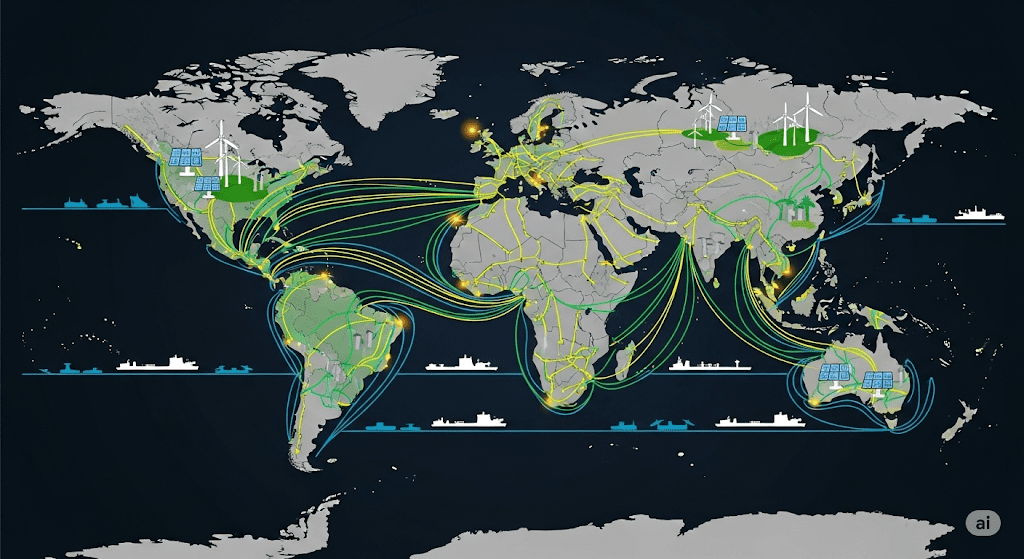
Did you know that a single cyberattack on a major pipeline can send shockwaves through global markets within hours? That’s exactly what happened when the Colonial Pipeline was targeted, causing gas shortages across the U.S. East Coast and demonstrating just how fragile our energy systems really are.
Welcome to 2025, where energy security isn’t just about keeping the lights on—it’s about national survival, economic dominance, and geopolitical chess moves that determine which nations rise and which fall behind. Energy has become the ultimate weapon of influence, and understanding its dynamics is crucial for anyone wanting to grasp today’s complex political landscape.
The stakes have never been higher! From Russia’s energy warfare tactics to China’s renewable energy dominance, from Middle Eastern oil politics to America’s shale revolution, energy decisions made in boardrooms and government offices today will reshape our world for decades to come.
What Is Energy Security and Why Does It Matter More Than Ever?

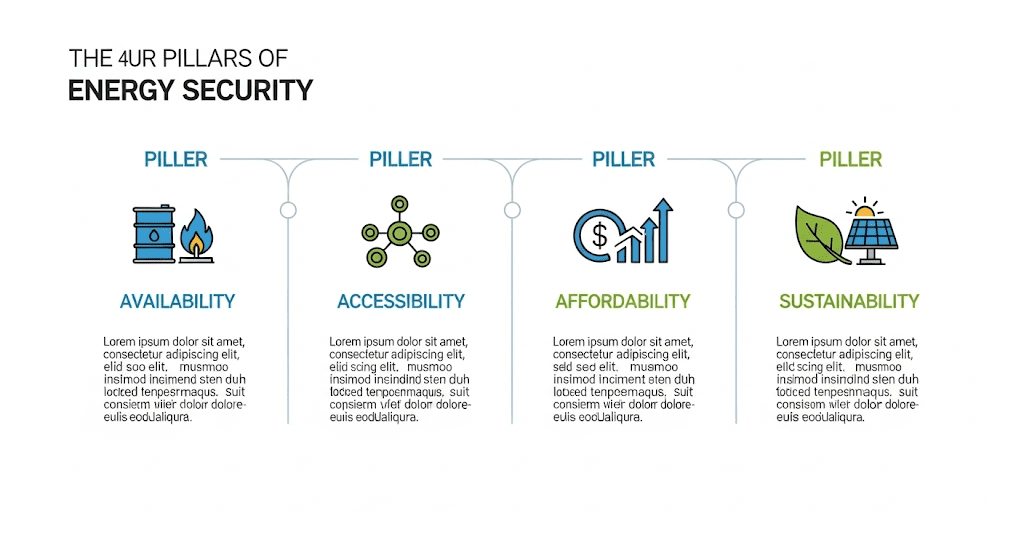
Energy security represents a nation’s ability to meet its energy needs reliably, affordably, and sustainably. According to the International Energy Agency (IEA), this definition has evolved far beyond simple supply and demand in 2025.
The Four Pillars of Modern Energy Security:
• Availability: Ensuring adequate energy resources exist and can be accessed
• Accessibility: Maintaining uninterrupted supply chains and infrastructure
• Affordability: Keeping energy costs manageable for economic stability
• Sustainability: Balancing immediate needs with long-term environmental goals
Why Energy Security Drives Global Politics:
• Energy dependencies create leverage and vulnerabilities between nations
• Supply disruptions can trigger economic recessions and social unrest
• Energy transitions reshape global power balances and alliance structures
• Climate commitments intersect with energy security priorities
• Technological advances in energy storage and production alter geopolitical calculations
The Oil Factor: Black Gold Still Rules the Global Game
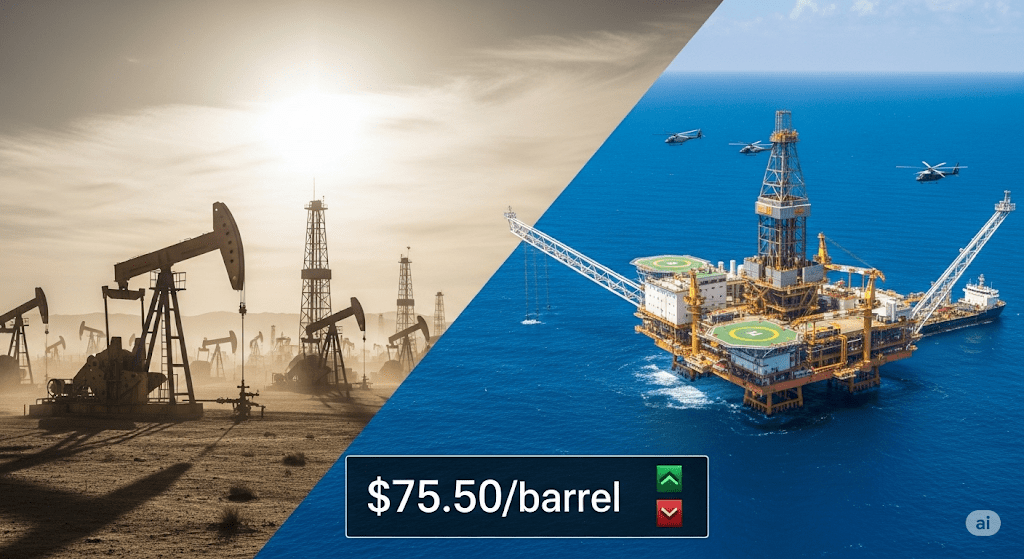
Despite decades of talk about renewable energy, oil remains the lifeblood of the global economy in 2025. According to BP Statistical Review, current oil prices hover around strategic levels that make or break national budgets from Venezuela to Saudi Arabia.
Key Oil Dynamics Shaping 2025 Politics:
• OPEC+ production decisions continue influencing global prices and inflation
• U.S. shale oil production provides energy independence but faces environmental pressure
• Strategic petroleum reserves become tools of economic warfare
• Oil transit chokepoints like the Strait of Hormuz remain flashpoints for conflict
• Climate policies create tension between oil-dependent economies and green transitions
Regional Power Players:
• Middle East: Saudi Arabia and UAE balance oil revenues with economic diversification
• North America: U.S. energy dominance challenges traditional producer influence
• Russia: Uses oil exports as geopolitical leverage despite sanctions
• Africa: Nigeria and other producers struggle with infrastructure and governance challenges
Natural Gas: The Bridge Fuel Reshaping Alliances
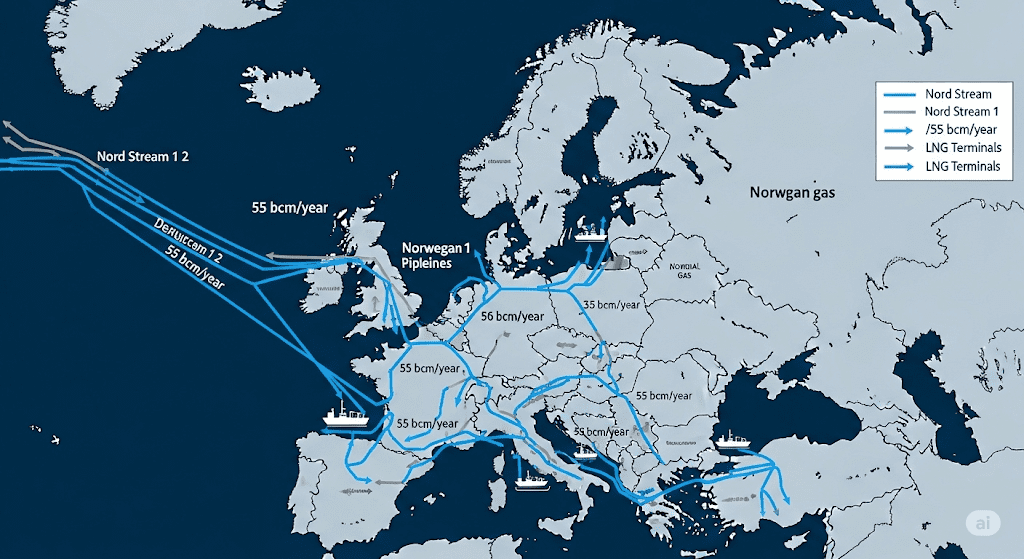
Natural gas has emerged as the ultimate geopolitical weapon, with pipeline politics determining everything from European winter heating to Asian manufacturing costs. The Russia-Ukraine conflict has dramatically reshaped global gas markets.
Gas Geopolitics in Action:
• Russia’s weaponization of gas supplies forces European energy diversification
• Liquefied Natural Gas (LNG) trade creates new supplier-buyer relationships
• Pipeline projects like Nord Stream become symbols of great power competition
• Asian demand growth shifts global gas trade patterns eastward
• Methane emissions concerns challenge gas’s “clean” reputation
Strategic Implications:
• Energy interdependence creates both cooperation opportunities and vulnerabilities
• LNG terminals and pipeline infrastructure become critical national security assets
• Gas price volatility drives domestic political instability in importing nations
• Renewable energy competition threatens long-term gas demand projections
• Technological advances in gas extraction and transportation alter supply dynamics
Power Grids and Electricity: The Hidden Battlefield of Energy Security
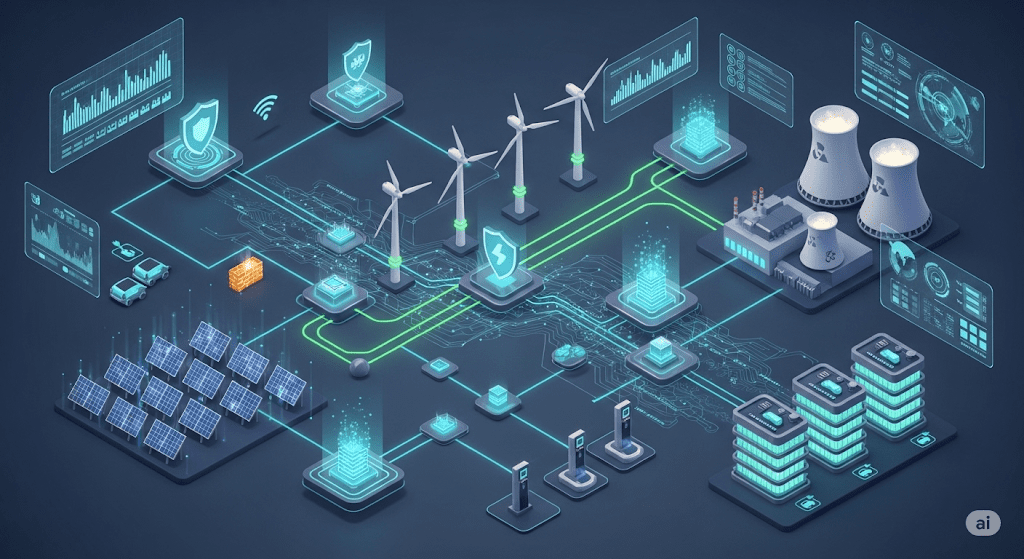
In our digital age, electricity security has become synonymous with national security. According to the U.S. Department of Homeland Security, power grid attacks can shut down everything from hospitals to financial markets within minutes.
Critical Power Security Challenges:
• Cybersecurity threats targeting electrical infrastructure increase exponentially
• Grid modernization requires massive investments in smart grid technology
• Renewable energy integration creates new stability and storage challenges
• Cross-border electricity trade creates dependencies and opportunities
• Climate change stresses aging electrical infrastructure worldwide
Emerging Power Dynamics:
• Battery storage technology advances shift competitive advantages
• Solar and wind power economics challenge traditional utility models
• Microgrids and distributed generation reduce centralized vulnerabilities
• Electric vehicle charging networks become new infrastructure battlegrounds
• Nuclear power experiences renaissance amid clean energy transitions
Geopolitical Hotspots: Where Energy and Politics Collide
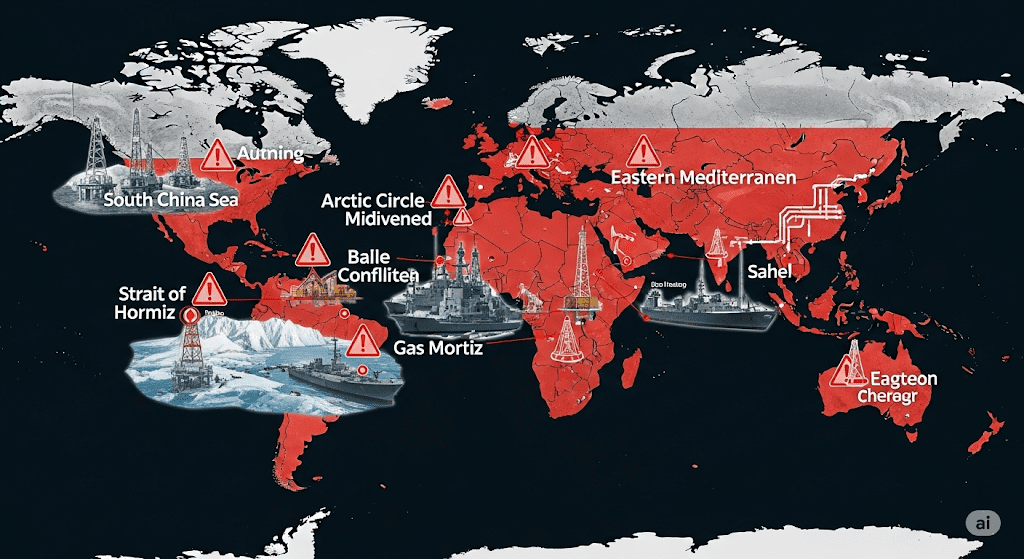
Energy security tensions manifest in specific geographic flashpoints that could trigger broader conflicts or reshape global alliances.
Current Energy Flashpoints:
• South China Sea: Maritime disputes over potential oil and gas reserves
• Eastern Mediterranean: Cyprus, Turkey, and Greece clash over gas exploration rights
• Arctic Circle: Melting ice opens new energy resources and shipping routes
• Strait of Hormuz: Iran’s threats to close critical oil transit chokepoint
• Sahel Region: French influence wanes as energy partnerships shift
Alliance Implications:
• NATO countries coordinate energy security strategies against Russian pressure
• Asian energy partnerships create new multilateral cooperation frameworks
• Belt and Road Initiative extends China’s energy infrastructure influence
• Middle Eastern producers diversify partnerships beyond traditional Western allies
• African nations leverage resource wealth for greater diplomatic influence
Technology’s Role: How Innovation Disrupts Energy Power Structures
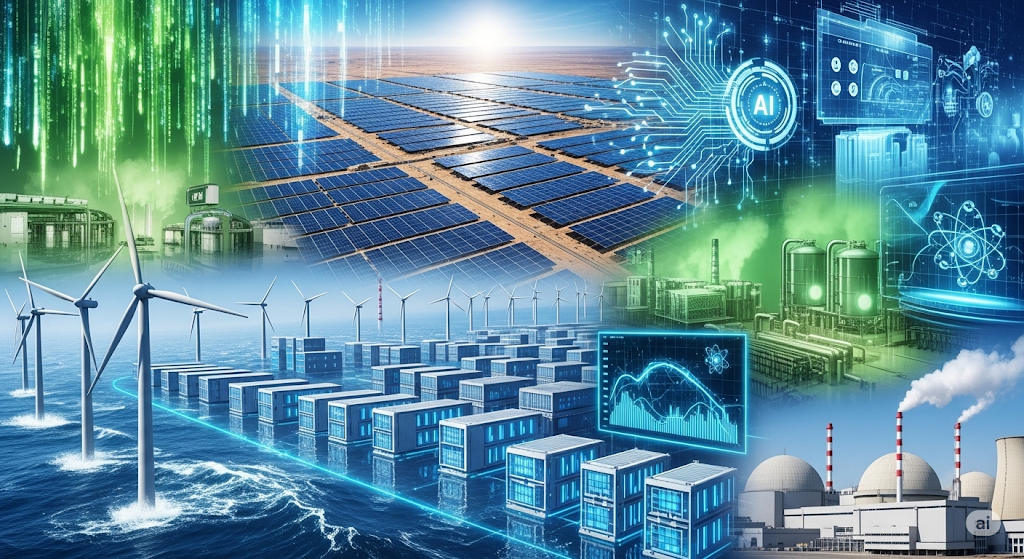
Technological breakthroughs don’t just change how we produce energy—they completely reshape which nations hold power in the global energy system.
Game-Changing Technologies:
• Advanced battery storage makes renewable energy more reliable and dispatchable
• Hydrogen fuel production creates new export opportunities for resource-rich nations
• Small modular reactors democratize nuclear power access
• Carbon capture technology extends fossil fuel relevance
• Artificial intelligence optimizes energy distribution and consumption
Winners and Losers in the Tech Transition:
• China dominates solar panel and battery manufacturing supply chains
• European companies lead wind energy technology development
• U.S. shale technology maintains American energy independence
• Traditional oil producers invest heavily in clean energy to stay relevant
• Developing nations leapfrog to renewable energy systems
Economic Warfare: Energy as a Weapon of Choice
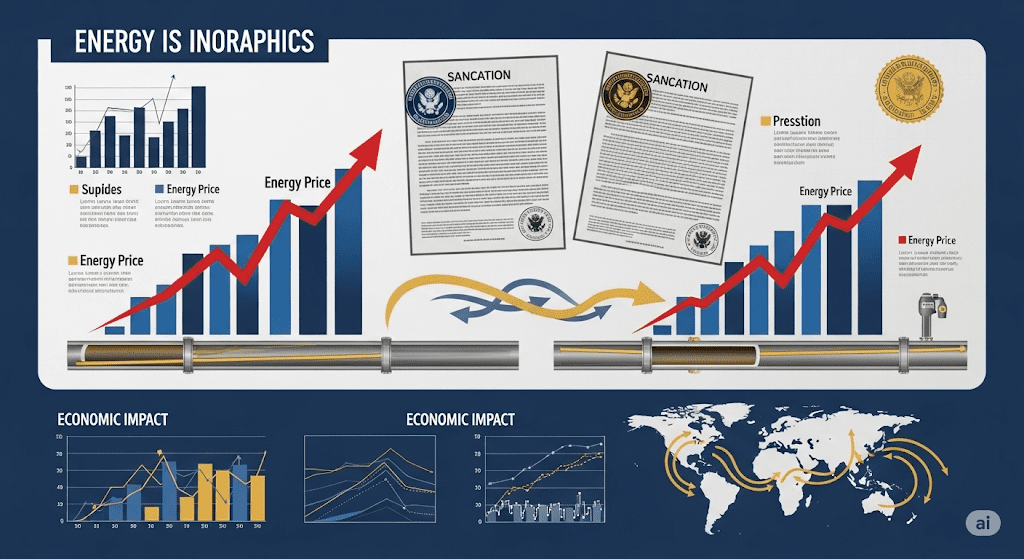
In 2025, energy sanctions and supply manipulations have become preferred tools of statecraft, offering powerful leverage without direct military confrontation.
Energy Warfare Tactics:
• Supply disruptions target enemy economic stability
• Price manipulation destabilizes competitor industries
• Infrastructure sabotage creates long-term strategic vulnerabilities
• Technology export controls limit opponent energy development
• Investment restrictions block access to capital for energy projects
Real-World Examples:
• Western sanctions on Russian energy exports reshape global supply chains
• China’s rare earth mineral control influences renewable energy manufacturing
• Middle Eastern producers coordinate output to influence global oil prices
• European energy diplomacy counters Russian pipeline politics
• U.S. LNG exports provide alternatives to Russian gas supplies
Climate Change Meets Energy Security: The Ultimate Balancing Act
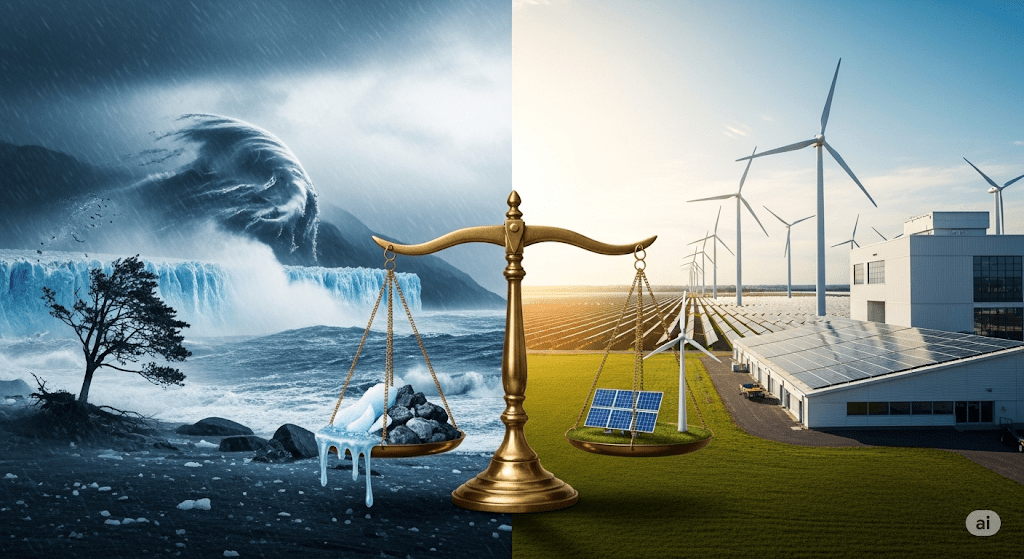
The intersection of climate commitments and energy security creates unprecedented policy challenges that reshape international cooperation and competition. The Paris Climate Agreement continues to influence energy policies worldwide.
The Climate-Security Nexus:
• Renewable energy transitions reduce fossil fuel dependencies but create new vulnerabilities
• Extreme weather events threaten energy infrastructure reliability
• Carbon border adjustments create new trade disputes and alliances
• Green hydrogen emerges as the new LNG in international energy trade
• Climate finance flows influence developing nation energy choices
Strategic Responses:
• Just transition policies balance environmental goals with economic security
• Critical mineral supply chains become new dependency concerns
• International climate agreements incorporate energy security provisions
• Adaptation investments protect energy infrastructure from climate impacts
• Technology transfer disputes emerge over clean energy innovations
Regional Power Dynamics: How Energy Reshapes Global Influence
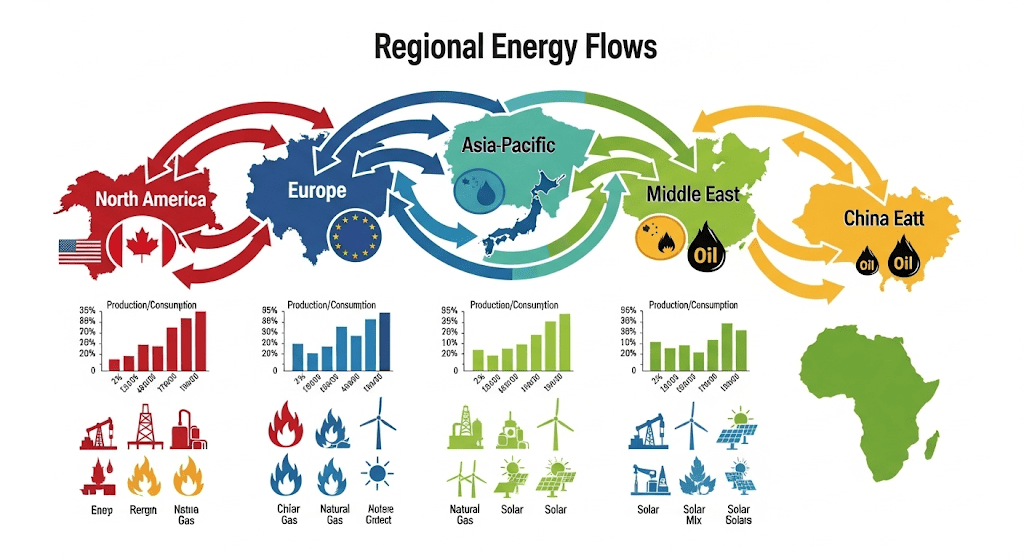
Different regions leverage their unique energy advantages to project power and influence in the global arena.
Regional Energy Strategies:
North America:
- Energy independence reduces Middle Eastern entanglement needs
- Shale revolution transforms U.S. into major energy exporter
- Mexico’s energy reforms attract international investment
- Canada balances resource development with climate commitments
Europe:
- Green Deal policies drive global climate standards
- Energy diversification reduces Russian dependency
- North Sea resources provide transitional energy security
- Mediterranean gas discoveries alter regional dynamics
Asia-Pacific:
- China’s Belt and Road extends energy infrastructure globally
- Japan and South Korea lead hydrogen technology development
- Australia leverages mineral resources for clean energy transition
- India balances energy access with climate goals
Middle East:
- Traditional producers diversify beyond oil dependency
- Regional conflicts threaten energy infrastructure stability
- Investment in renewable energy prepares for post-oil economy
- Water scarcity intersects with energy production challenges
Future Scenarios: Energy Security in the Next Decade
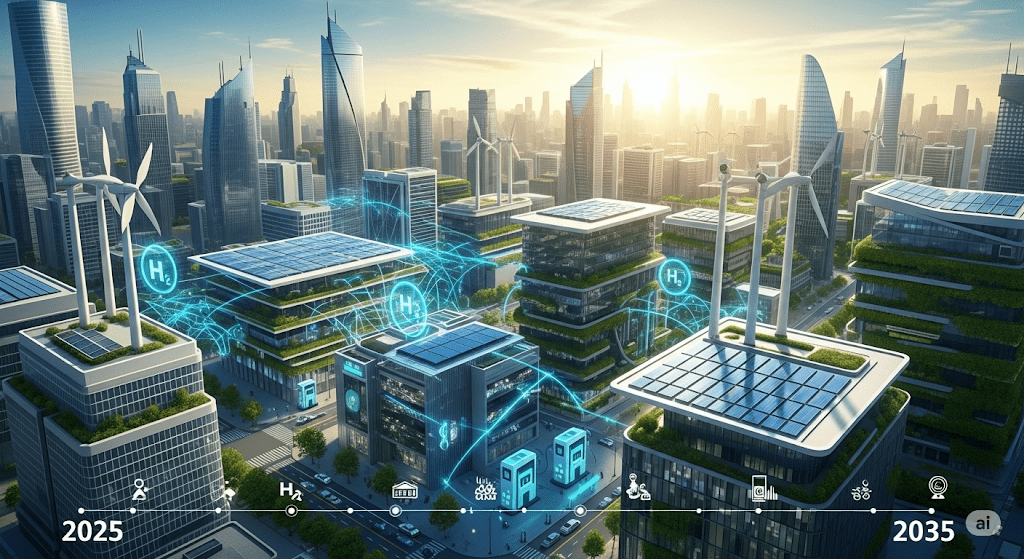
Understanding potential future scenarios helps policymakers and businesses prepare for various energy security challenges and opportunities. The World Energy Council regularly publishes scenario analyses for strategic planning.
Scenario Planning for Energy Security:
Optimistic Scenario – “Clean Energy Cooperation”:
- Rapid renewable energy deployment reduces geopolitical tensions
- International cooperation accelerates clean technology sharing
- Energy storage breakthroughs enable reliable renewable systems
- Hydrogen economy creates new trade partnerships
- Climate goals and energy security align globally
Challenging Scenario – “Energy Fragmentation”:
- Great power competition fragments global energy markets
- Supply chain disruptions increase energy price volatility
- Cyberattacks target critical energy infrastructure regularly
- Climate disasters strain energy system resilience
- Resource nationalism limits international energy cooperation
Most Likely Scenario – “Managed Transition”:
- Gradual shift toward renewable energy with fossil fuel bridges
- Regional energy blocks emerge based on geographic advantages
- Technology competition drives innovation but creates dependencies
- Energy security concerns slow but don’t stop climate transitions
- Hybrid energy systems balance reliability with sustainability
Conclusion: Navigating the Complex Energy Security Landscape

Energy security in 2025 represents far more than simply keeping the lights on—it’s about national survival, economic prosperity, and global influence in an increasingly interconnected yet fragmented world. The interplay between oil, gas, and power doesn’t just shape global politics; it fundamentally determines which nations thrive and which struggle to maintain relevance.
The key insights are clear: traditional energy powers must adapt or risk obsolescence, while new technology leaders gain unprecedented influence over global affairs. Climate commitments add complexity but also create opportunities for nations willing to lead the clean energy transition.
For policymakers, business leaders, and engaged citizens, understanding these energy dynamics isn’t optional—it’s essential for navigating our uncertain future. Organizations like the Atlantic Council’s Global Energy Center and the Center for Strategic and International Studies Energy Program provide ongoing analysis of these critical issues. The nations and organizations that master the balance between energy security, economic competitiveness, and environmental responsibility will write the next chapter of global politics.
What role will your country play in this unfolding energy transformation? The choices made today will echo through decades of geopolitical consequences.